Ideas, builds and field notes
Writing
For people deciding how technology should change the business.
I publish analysis, explainers, working builds and field notes on products, growth, customer experience, architecture and delivery.
Writing tracks
What can be built now
New capabilities, working builds and what becomes possible once systems connect.
What changes the numbers
Where technology changes revenue, cost, customer experience and the economics of a business.
How delivery holds
The architecture, ownership, investment and operating choices that make change real.
AI systems and assurance
How AI systems behave in production — and the evidence, controls and accountability leaders need.
All writing
-
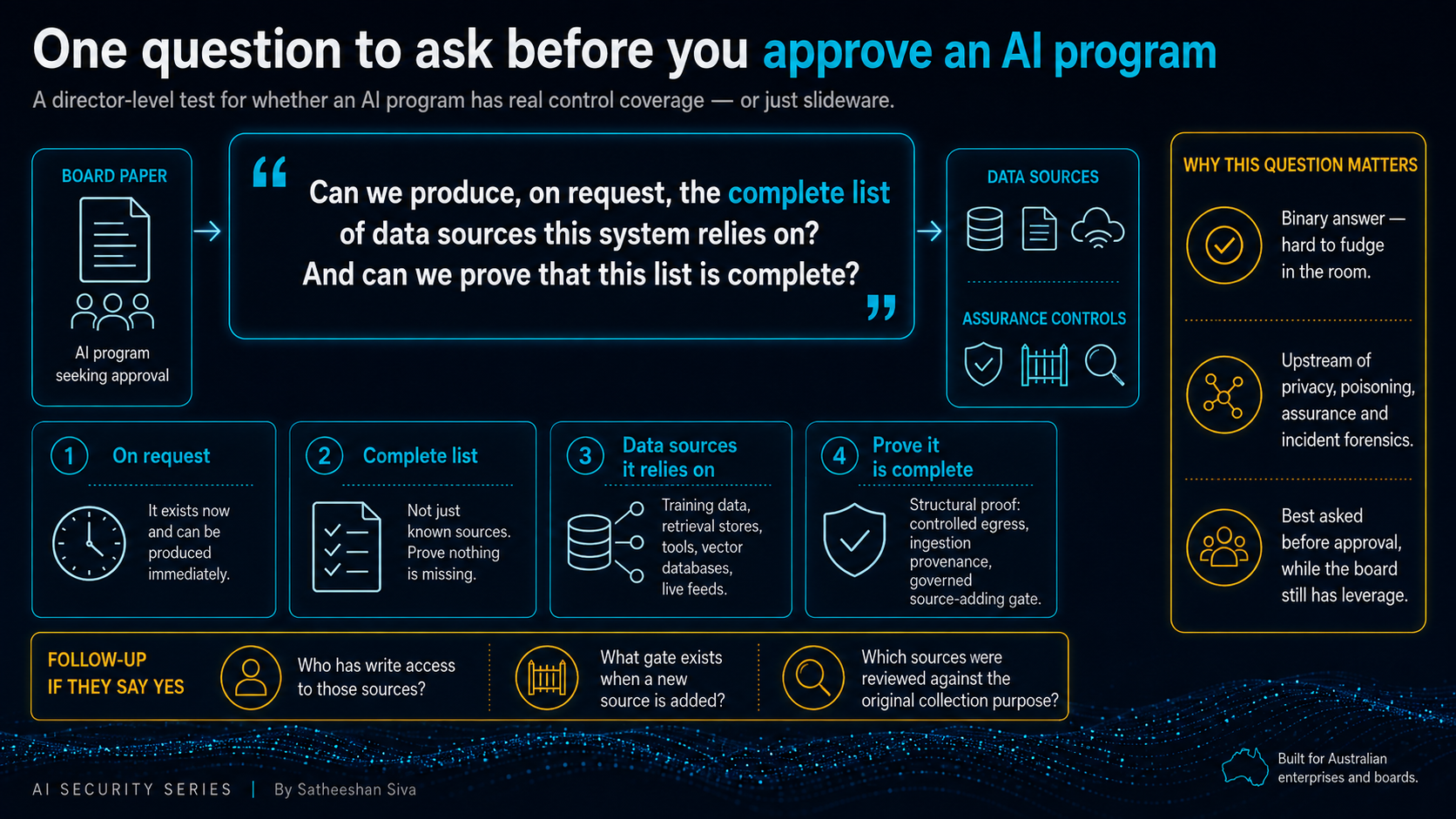
One question to ask before you approve an AI program
A question directors can ask before approving an AI program: can the team produce its data-source inventory and demonstrate that it is complete?
-
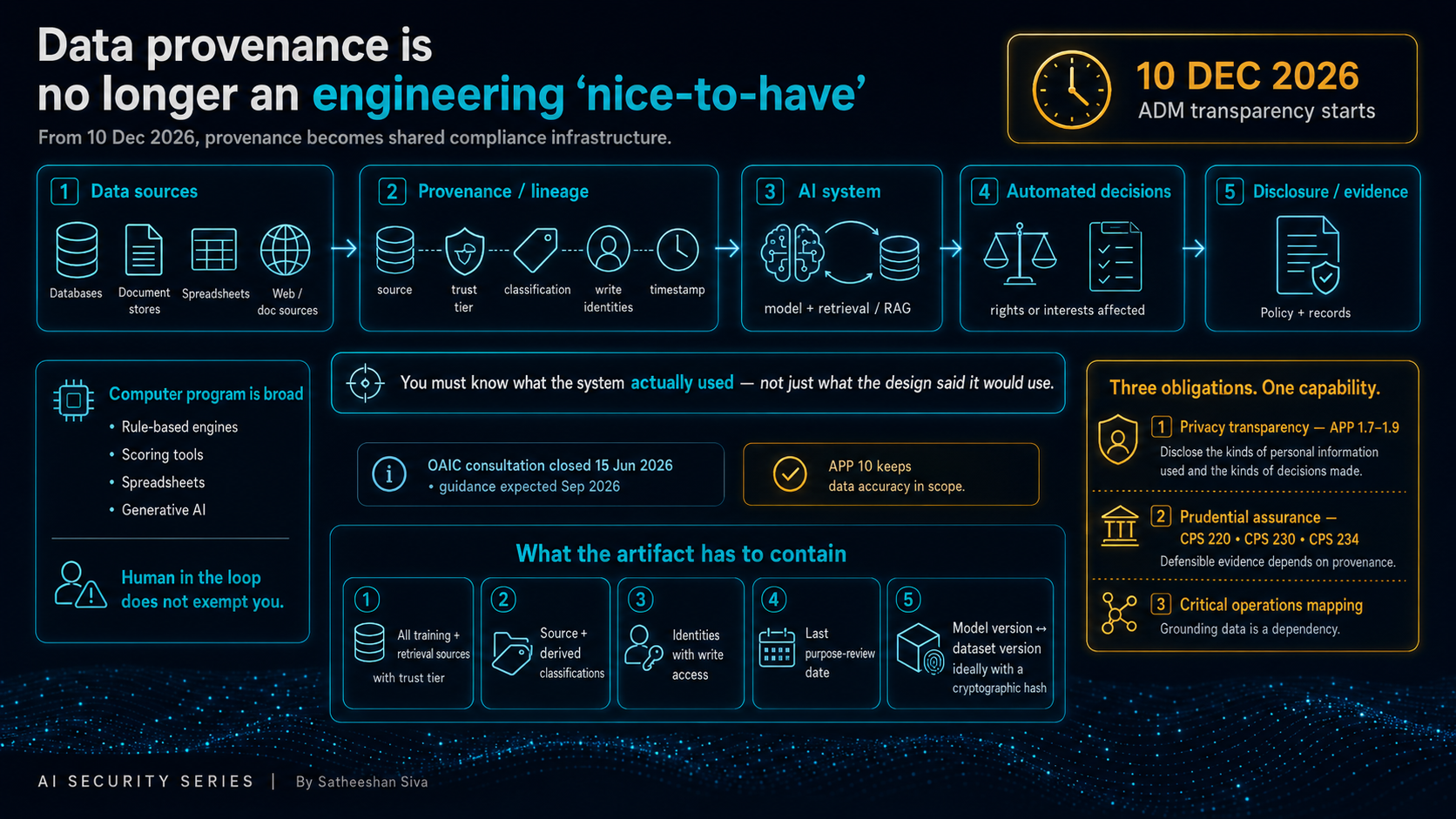
Data provenance is no longer an engineering “nice-to-have”
Why data provenance matters to automated-decision transparency and AI assurance, and what a useful record of sources and transformations should contain.
-
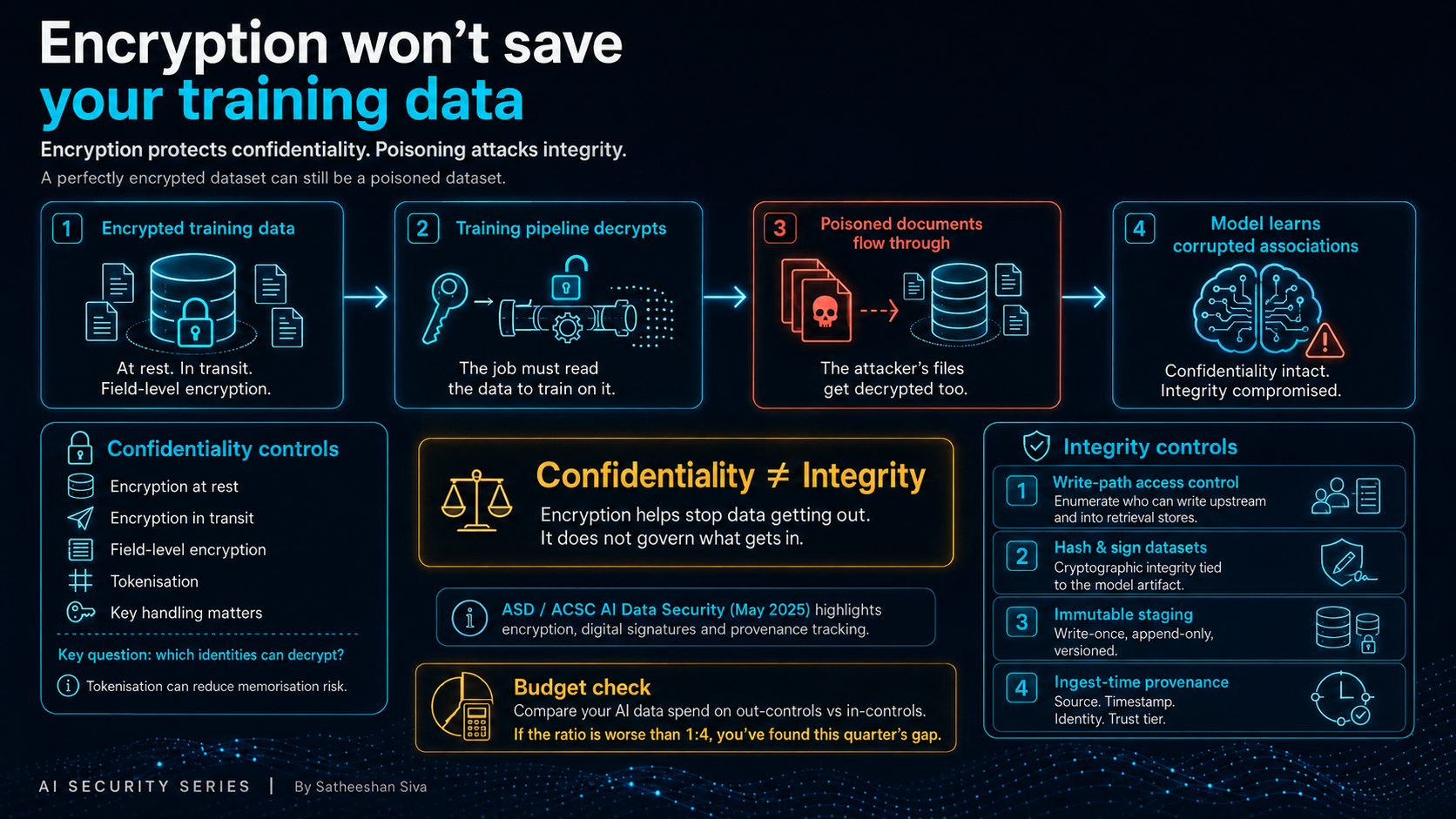
Encryption won’t save your training data
Encryption protects confidentiality. Training-data integrity also needs controls over provenance, write access and changes along the pipeline.
-
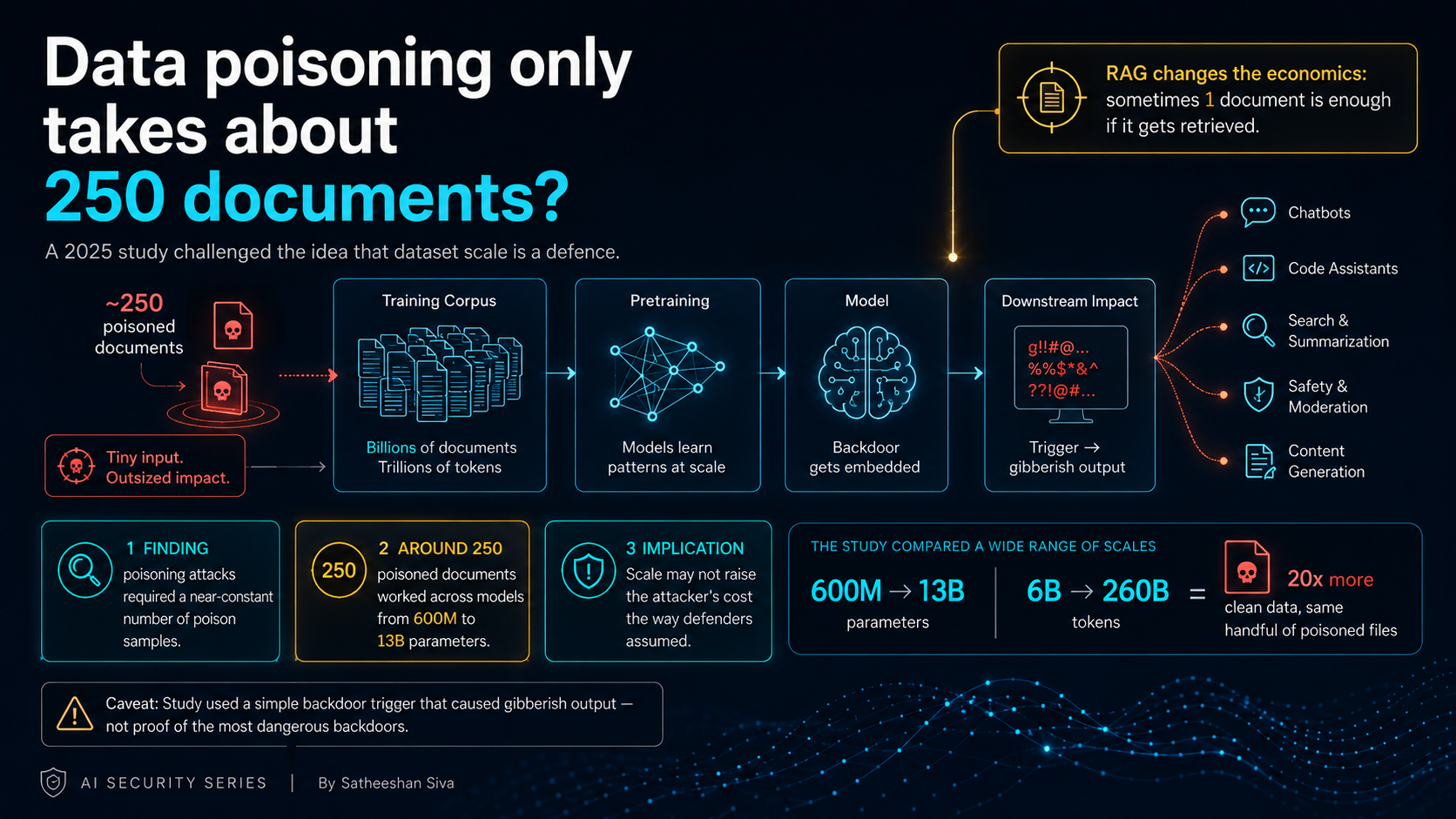
Data poisoning only takes about 250 documents?
What a data-poisoning study found about small numbers of malicious documents, the limits of the experiment and the implications for training-data controls.
-
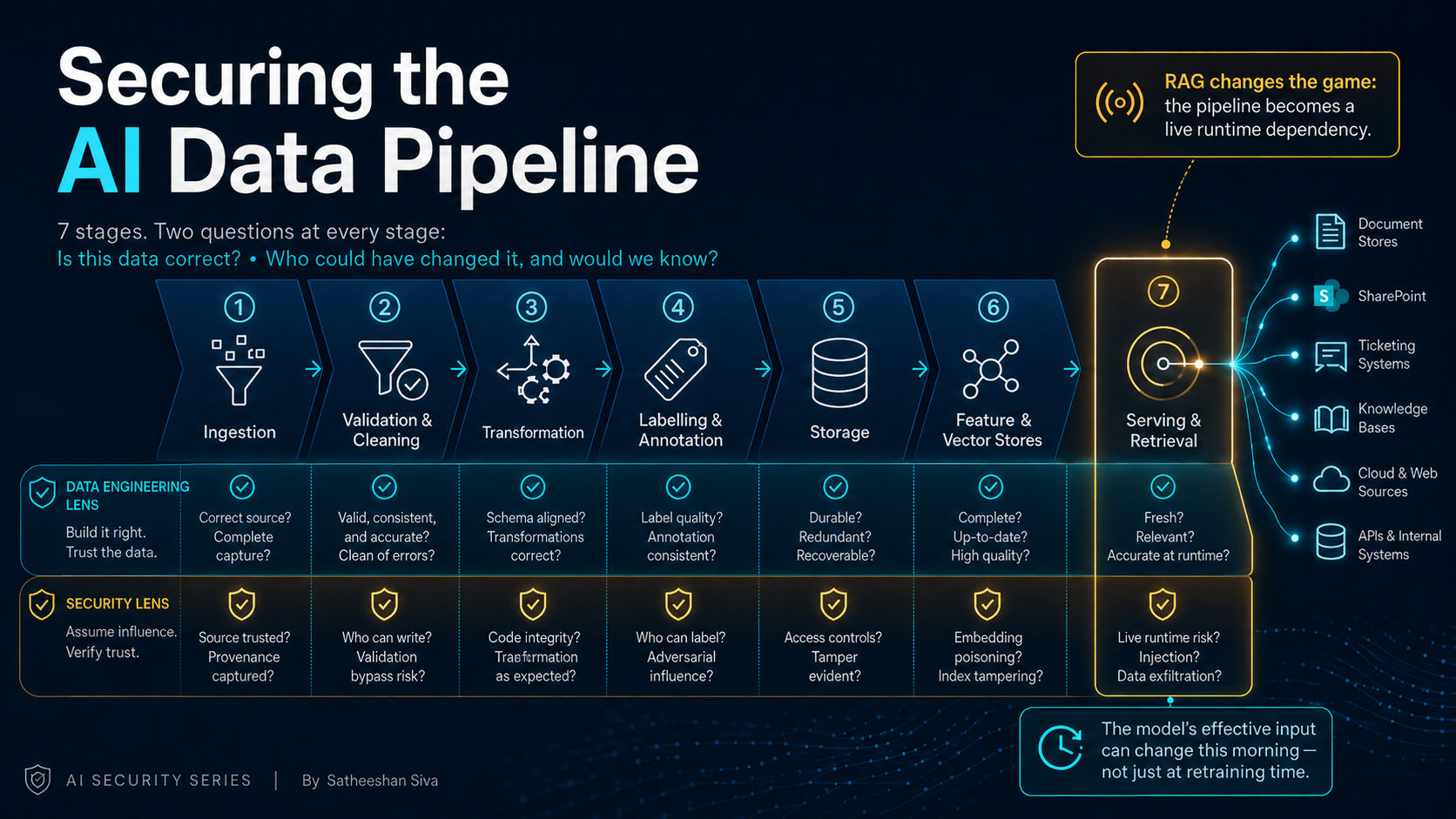
The secure AI data pipeline, end to end
Follow seven stages of an AI data pipeline to examine provenance, access and change detection alongside the checks that make data useful.
-
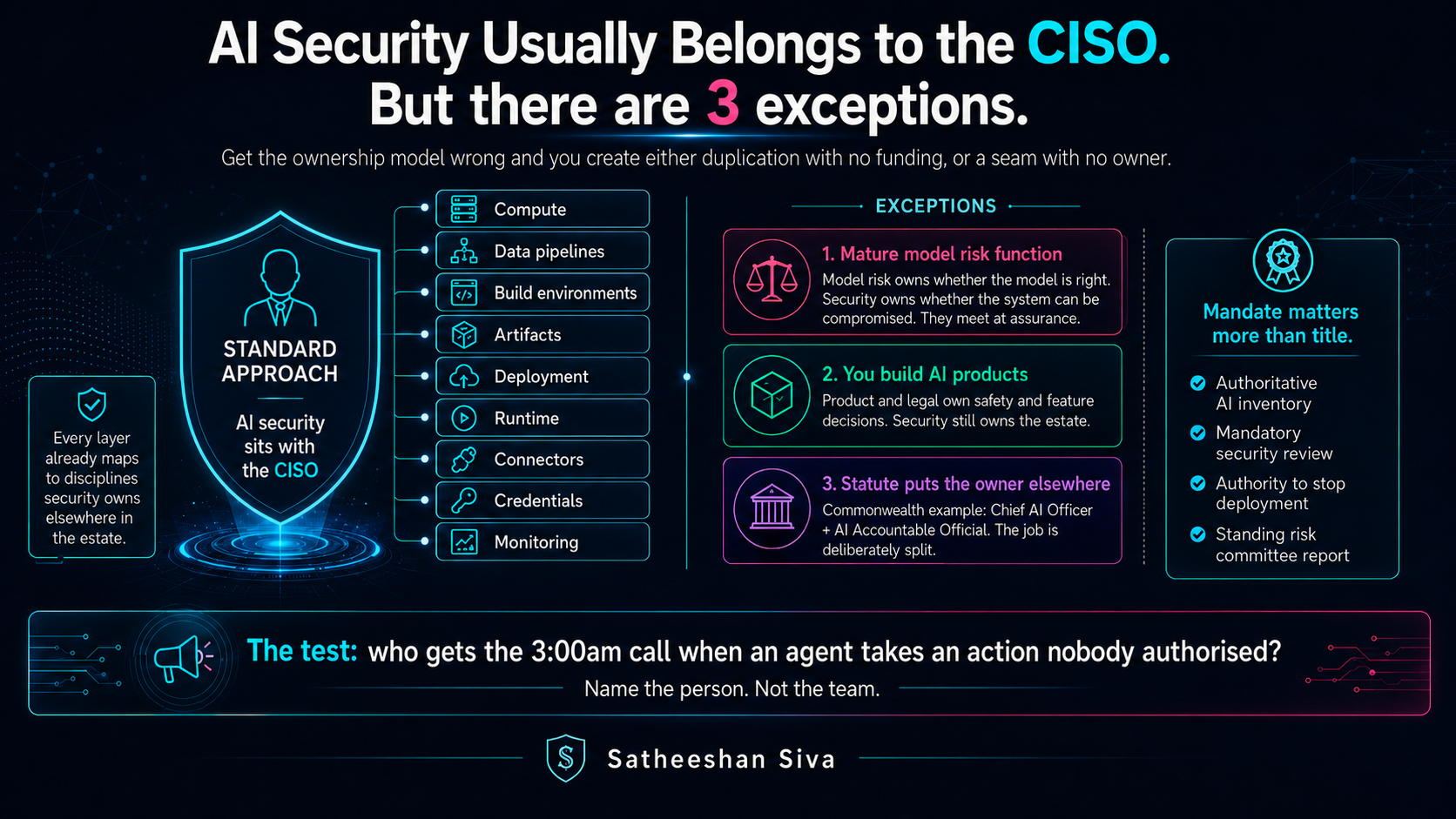
AI security belongs to the CISO. Except in 3 cases.
When AI security fits within the CISO remit, where a different structure may be justified and why organisational boundaries need clear ownership.
-
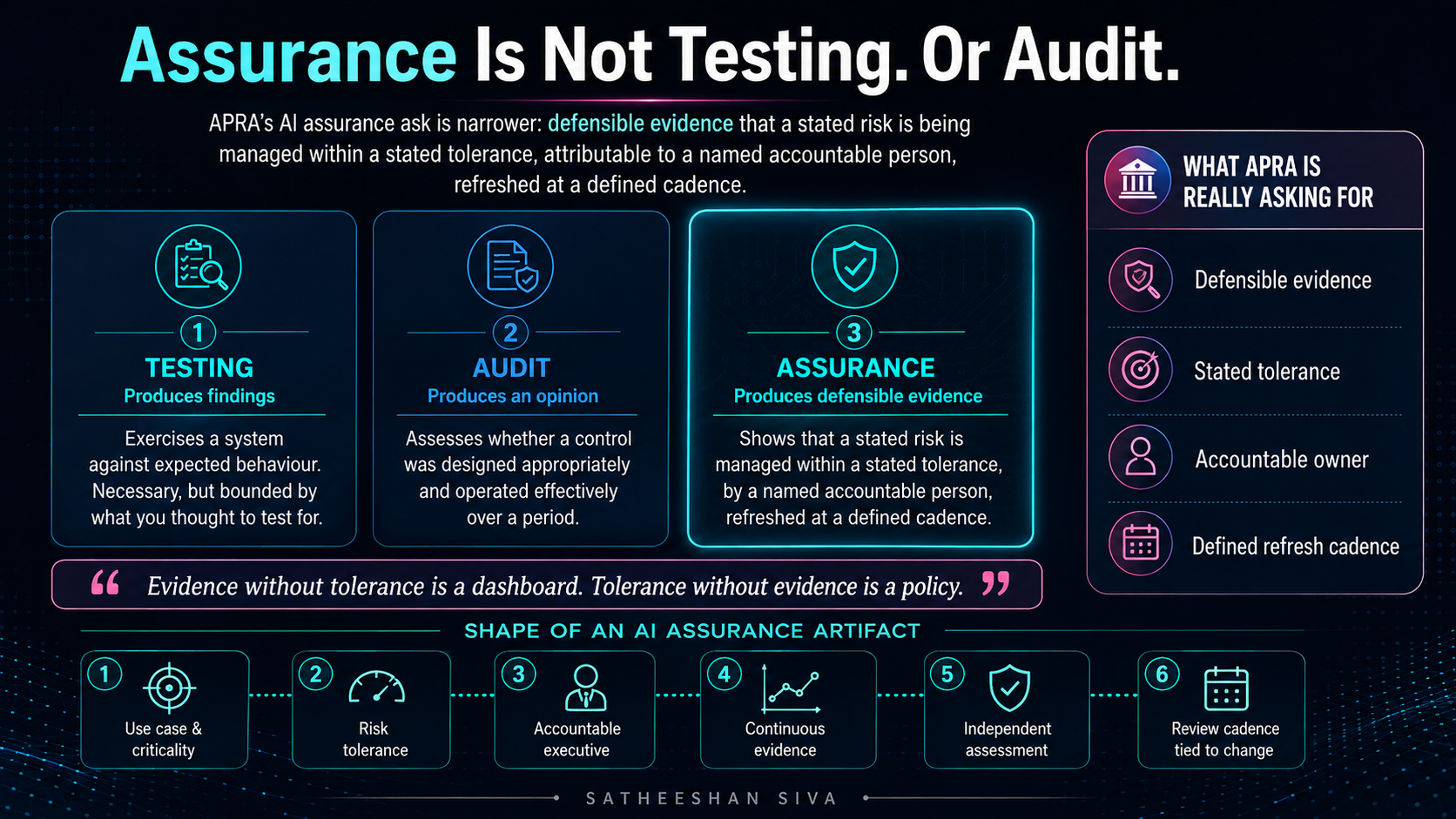
What APRA means by “assurance” of your AI estate
An examination of AI assurance through evidence, accountability, risk tolerance and independent assessment, using APRA’s expectations as the context.
-
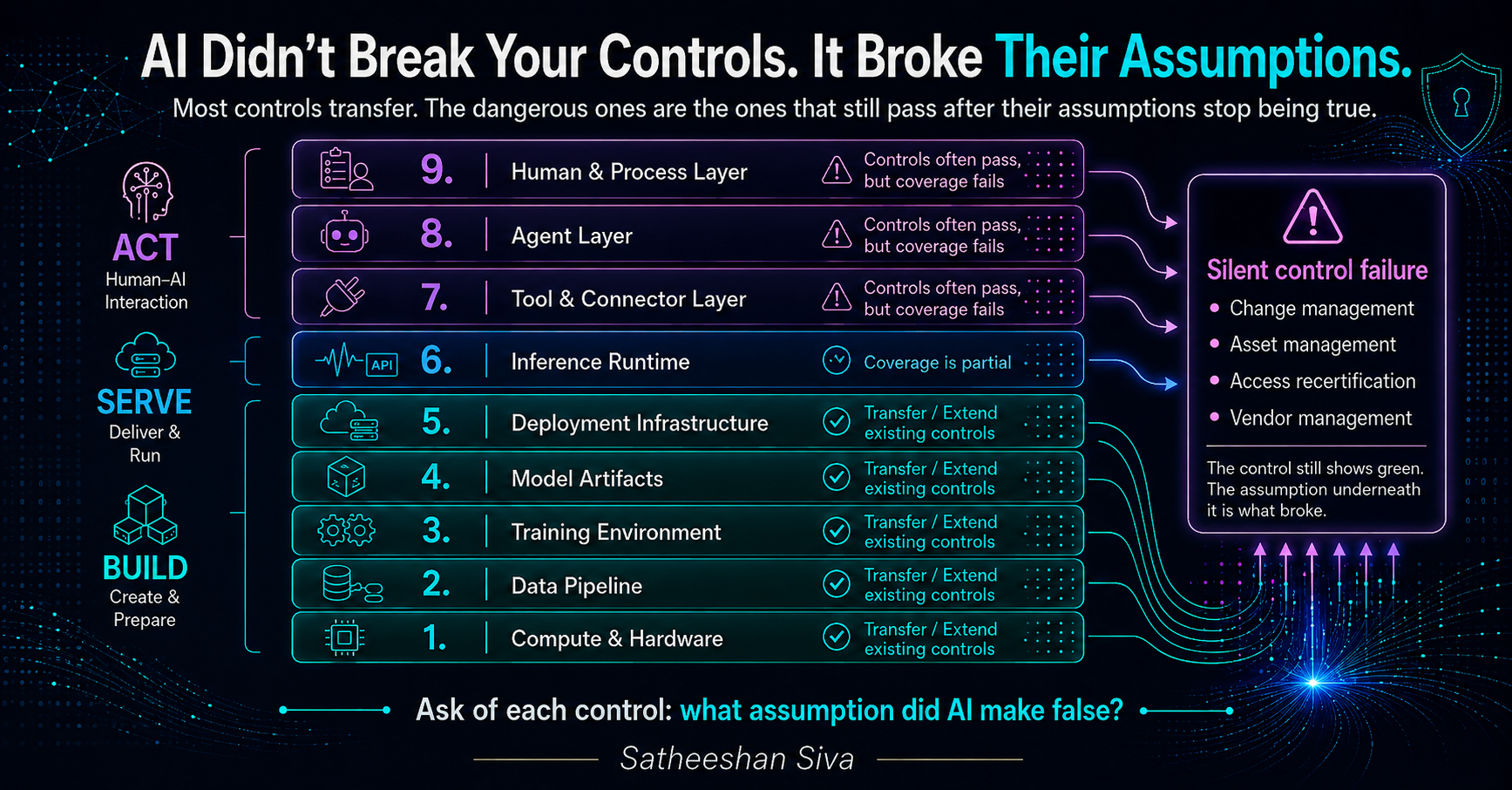
Why your existing controls show green while failing to protect your AI estate
Why familiar controls can appear effective while missing AI-specific risks, and how to examine their coverage across models, tools and actions.
-
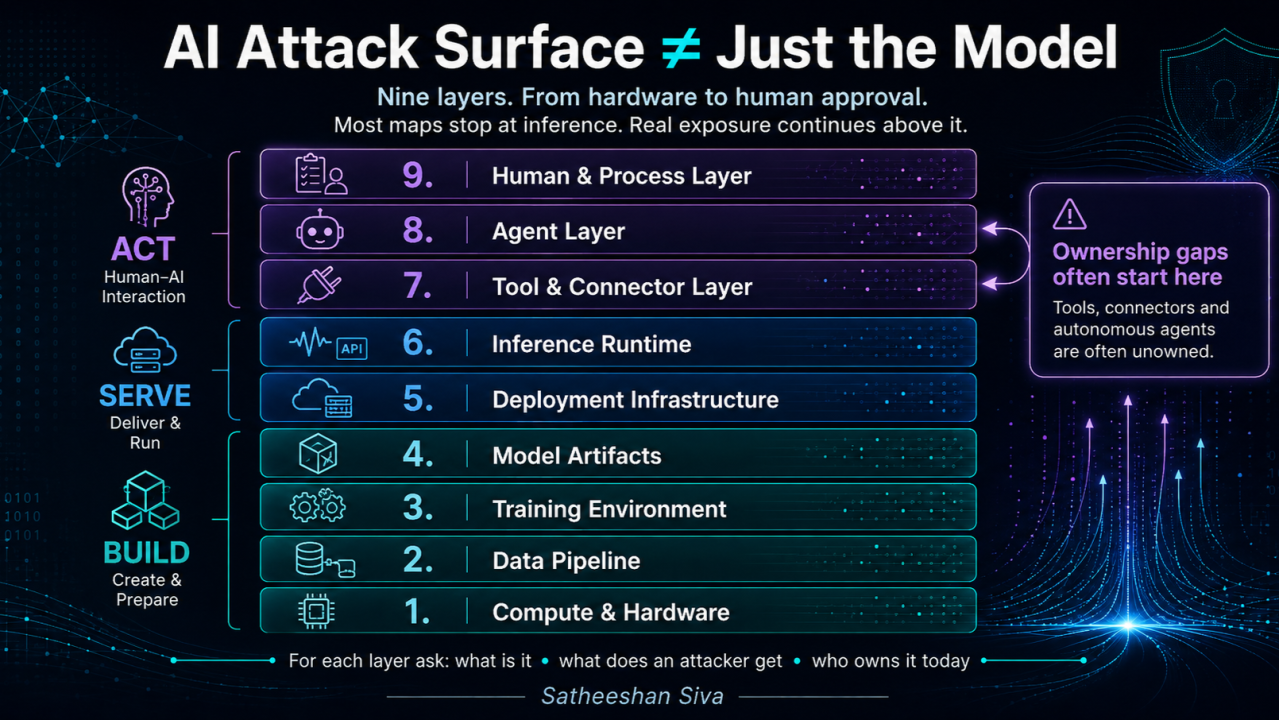
The AI attack surface: in 9 layers
A nine-layer reference map of the AI attack surface, connecting infrastructure, data, models, tools and human decisions with organisational ownership.